For many of us, a car is more than just metal and tires—it’s a memory-maker, a prized possession, and a member of the family.
Whether it’s your first "clunker" or a brand-new dream car, shipping a car internationally should be handled with the same care you’d give a loved one.
If you need a smooth, safe, and reliable way of shipping a vehicle, RoRo shipping is the gold standard.
In this guide, we’ll answer your biggest questions about costs, safety, and the shipping process so you can get your "family member" home without the stress.
What is RoRo Shipping?
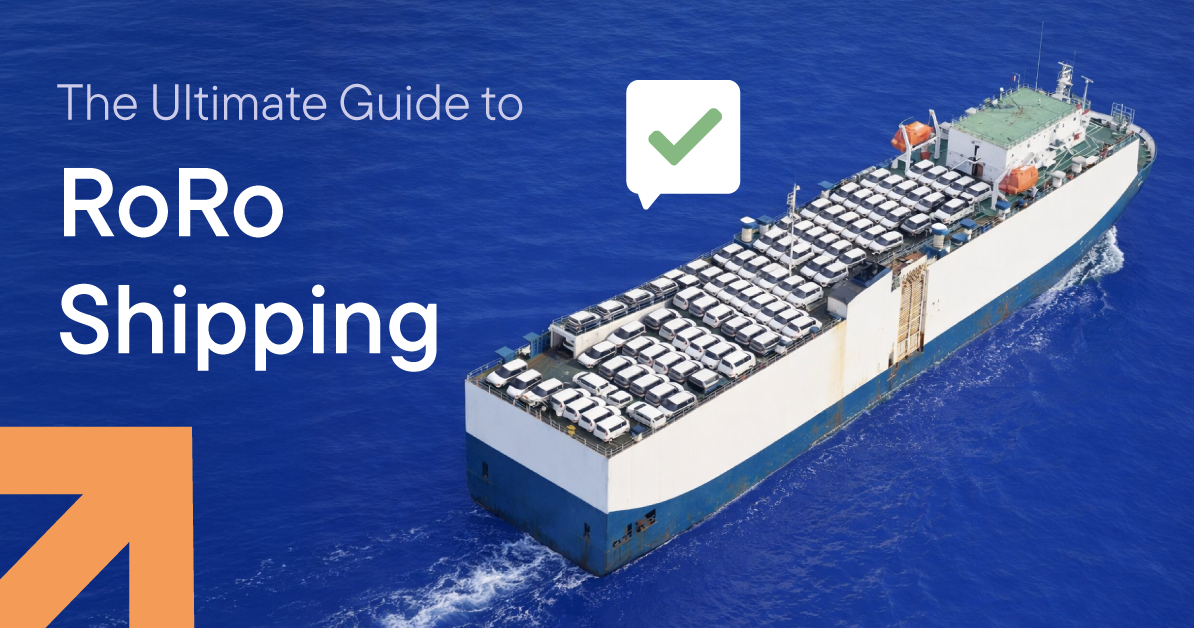
At its simplest, RoRo shipping stands for "Roll-on/Roll-off." Think of it like a massive, floating parking garage.
Unlike container shipping, where a car is packed into a metal box and lifted by a crane, RoRo allows vehicles to be driven directly onto the vessel under their own power.
Types of RoRo Ships
While they all share the same "drive-on" concept, these vessels come in different configurations:
- PCC (Pure Car Carriers): Designed exclusively for passenger cars.
- PCTC (Pure Car/Truck Carriers): Have adjustable decks to accommodate larger vehicles like SUVs or heavy trucks.
- RoPax: Large vessels that carry both road vehicles and passengers (common in coastal routes).
Example Use Cases
- Relocation: Moving from New York to Puerto Rico or Hawaii? RoRo is the most common method.
- Dealerships: Car manufacturers use RoRo to move thousands of new vehicles to US showrooms.
- Classic Car Lovers: Enthusiasts use it to bring home a vintage find from overseas.
- Heavy Machinery: It’s not just for cars; tractors, buses, and construction equipment also "roll on" to their destinations.

How RoRo Shipping Works
The beauty of RoRo shipping lies in its simplicity. Unlike container shipping, which involves complex cranes and tight packing, RoRo is a streamlined "drive-on, drive-off" process.
Step-by-Step Process
- Booking and Paperwork: Once you choose a shipping partner, you’ll provide your vehicle's details (make, model, and VIN) and select your departure and arrival ports.
- Preparing the Vehicle: This is where you show your car some love. You’ll need to clean it thoroughly, leave the fuel tank at 1/4 full (for safety), and ensure there are no active leaks.
- Driving onto the Ship: At the port, professional "stevedores" (trained drivers) will drive your car up the ramp and into its designated spot on the ship's internal deck.
- Shipping and Tracking: Your car is securely "lashed" (strapped down) to the deck. During the voyage, you can often track the vessel’s progress in real-time or a booking number provided by the carrier.
- Receiving at the Destination: Once the ship docks, the car is driven off the ramp. You (or your designated agent) will meet it at the terminal, perform a final inspection, and drive it away!
Essential Documents Required
To keep the process smooth and legal, you’ll need to have these documents ready:
- Original Title: Proof that you own the vehicle.
- Bill of Sale: Often required for customs to verify the vehicle's value.
- Registration & Insurance: Standard proof of road-readiness and protection.
- Photo ID: A copy of your Passport or Driver’s License.
- Customs Forms: (For International only) Specific declarations for the destination country
Pros and Cons of RoRo
Every shipping method has trade-offs. Here is a quick look at why people choose RoRo—and what to watch out for:
Ready to see how this affects your wallet?
How Much Does RoRo Shipping Cost?
One of the first questions people ask when considering RoRo shipping is: “How much will it cost to ship my car?”
The answer depends on several factors, but overall, shipping vehicles via RoRo is often more affordable than other shipping methods, especially for standard-sized cars.
Typical Costs in the USA
In the United States, RoRo shipping costs generally range between $800 and $1,000 for domestic transport, depending on the distance.
International shipments, like shipping a car from the USA to Europe or Africa, can range from $1,500 to $2,000, depending on the size of the vehicle and the shipping route.
Factors That Affect RoRo Shipping Costs
- Distance: Longer routes cost more, whether shipping domestically or internationally
- Vehicle Size & Type: SUVs, trucks, and oversized vehicles cost more than standard sedans.
- Port Locations: Major ports in the USA, like Los Angeles, New York, and Jacksonville, often have lower rates due to higher traffic and more shipping options.
- Insurance & Extras: Optional insurance coverage or additional services (like enclosed transport for high-value vehicles) can increase the cost.
- Seasonality: Shipping during peak seasons may cost more due to higher demand.
RoRo Shipping vs. Other Methods
Compared to container shipping, RoRo shipping is usually cheaper and faster, especially if you’re shipping cars without any special handling requirements.
For individuals shipping a single vehicle, it often offers the best balance between cost, convenience, and safety.
Tips to Save on RoRo Shipping
- Book early to lock in lower rates.
- Choose main ports for departure and delivery.
- Consolidate shipments if possible.
- Compare quotes from multiple US RoRo shipping companies.
- Choose a reliable and cost effective international freight forwarding company.

Takeaway
As we’ve explored, RoRo shipping is the ultimate "middle ground" in the logistics world. It offers the professional security of a specialized vessel with the cost-efficiency that keeps your move on budget.
By choosing RoRo, you aren't just picking the most popular method in the USA to ship your car—you’re choosing a streamlined process that minimizes handling and maximizes reliability.